
The global sealing industry is a substantial and growing market, and understanding how oil seals suppliers are positioned within it helps buyers make smarter sourcing decisions. From multinational tier-one suppliers to specialised regional manufacturers, the landscape offers a wide spectrum of capabilities, pricing levels, and value propositions that require careful navigation.
Overview of the Global Sealing Market
The global sealing components market — encompassing oil seals, O rings, gaskets, mechanical seals, and related products — generates revenues measured in tens of billions of dollars annually. Demand is driven by automotive production, industrial machinery, construction equipment, wind energy, aerospace, and oil and gas sectors. Asia-Pacific — particularly China — represents the largest manufacturing base and fastest-growing consumption market, while North America and Europe remain key demand regions where quality, technical support, and supply reliability command premium pricing.
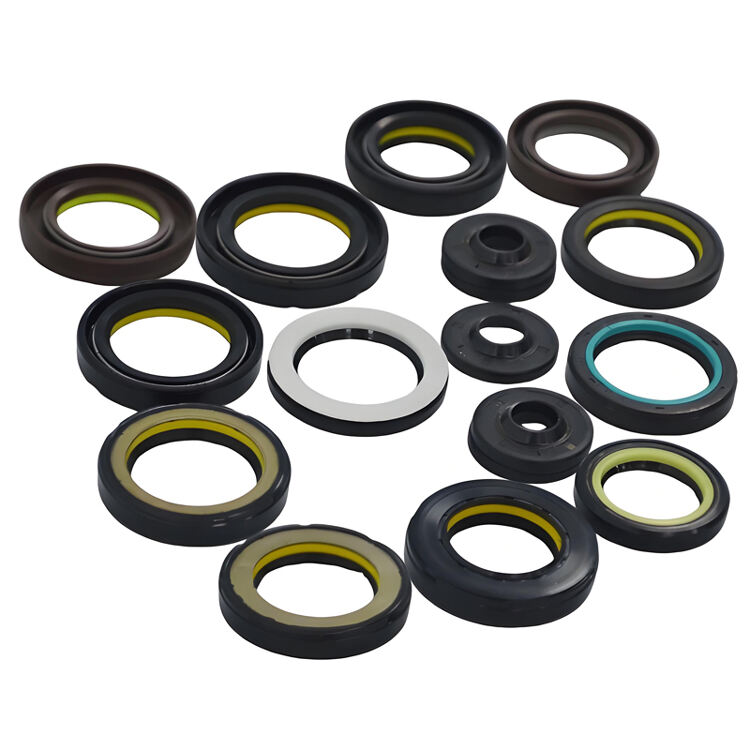
Chinese Oil Seals Suppliers: A Growing Force
China has evolved from a low-cost replication base to a sophisticated oil seals supplier capable of meeting the technical requirements of demanding global industries. Decades of investment in manufacturing technology, quality management systems, and engineering talent have enabled leading Chinese manufacturers to achieve certifications competitive with European and Japanese counterparts while maintaining significant cost advantages. Chinese suppliers now serve major automotive OEMs, agricultural equipment manufacturers, and industrial machinery producers worldwide.
Trends Shaping the Supplier Landscape
Electrification of automotive powertrains is creating demand for new seal designs optimised for electric motor speeds, new lubricant types, and different thermal profiles. Renewable energy growth — particularly wind power — is driving demand for large-diameter shaft seals with multi-year service life requirements. Digitisation through Industry 4.0 technologies — sensor-based process monitoring, AI-driven defect detection, and digital quality management systems — is improving consistency and traceability while reducing production costs for manufacturers who invest in these capabilities.
Sustainability and Environmental Responsibility
Environmental performance is increasingly a selection criterion for oil seals suppliers as corporate sustainability commitments tighten across global supply chains. Buyers are asking suppliers to demonstrate reduced energy consumption per unit, responsible chemical management, and supply chain transparency regarding raw material origins. Suppliers who proactively report environmental performance data and hold ISO 14001 environmental management certification are better positioned to meet these evolving requirements and support their customers’ sustainability goals without compromising sealing performance or supply reliability.
The oil seals suppliers best positioned for long-term success are those who combine deep technical capability in established product lines with genuine investment in emerging application areas, sustainability credentials, and digital manufacturing capabilities that will define competitive advantage in the decade ahead. For buyers, identifying and building preferred supply relationships with these forward-looking partners now provides strategic supply chain advantages that compound in value as the technical requirements of the sealing market continue to evolve. Sourcing decisions made today should account not only for current technical requirements and price competitiveness but also for the trajectory of the supplier’s technology investment and application development capability to ensure alignment with the buyer’s evolving needs throughout the full horizon of a strategic supply partnership.