
Procurement teams responsible for keeping heavy off-road and mining tyre fleets operational face a sourcing challenge that differs meaningfully from standard commercial tyre procurement — the consequences of poor tyre performance in these environments extend beyond simple replacement cost to include vehicle downtime, safety risk in remote operating locations, and the logistical complexity of getting replacement tyres of the correct specification to sites that may be hours or days from the nearest distribution point. Building a sourcing strategy around a manufacturer with proven all-steel radial construction across a wide size range, backed by international certification, gives procurement teams a foundation that simplifies many of these challenges simultaneously.
One of the practical realities of sourcing for heavy-duty fleets is that vehicle rosters are rarely uniform — a mining or construction operation typically runs a mix of vehicle types and sizes, from smaller support and utility vehicles through to the largest haul trucks on site, each requiring different tyre sizes and specifications. A manufacturer whose all-steel radial product range spans from smaller commercial sizes through to large 24-inch rim diameter products covers a meaningful portion of this mixed fleet requirement from a single source, reducing the number of separate supplier relationships a procurement team needs to maintain and the corresponding administrative overhead of managing multiple vendors with different lead times, minimum order quantities, and documentation requirements.
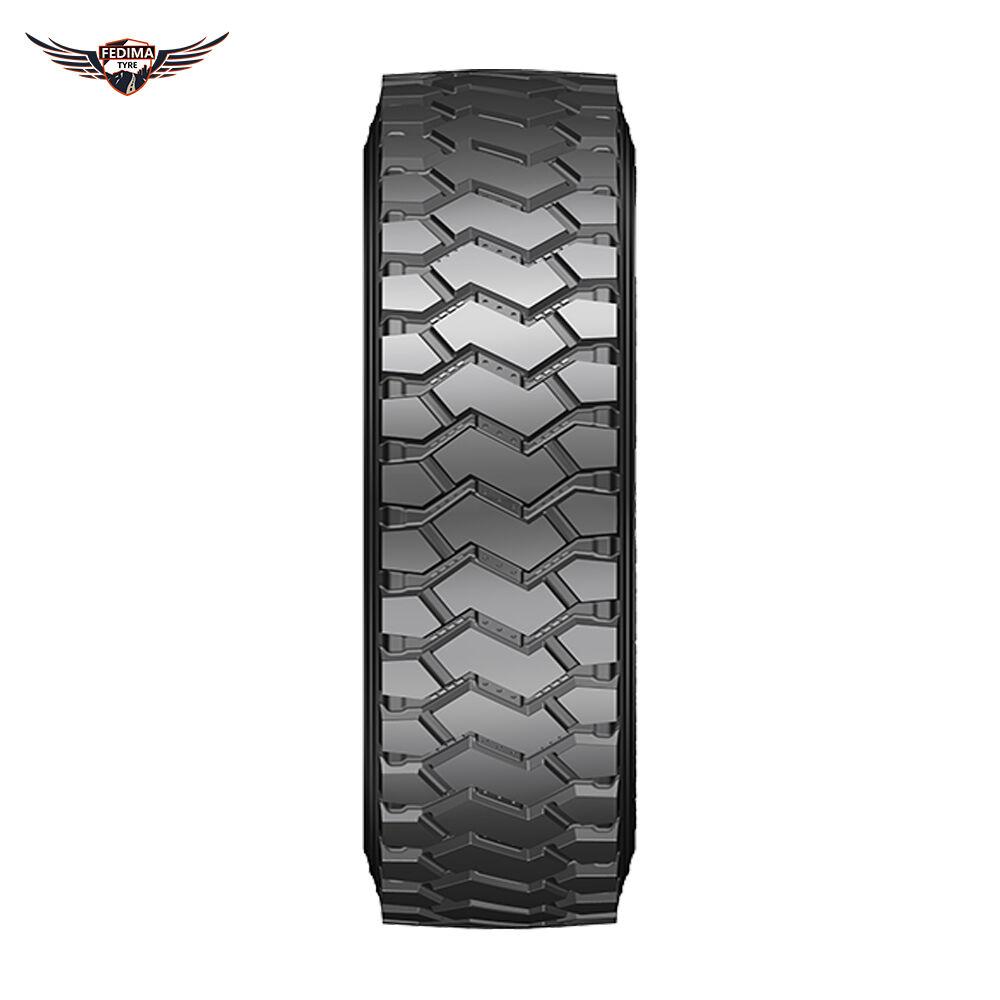
Why International Certification Still Matters Off the Highway
It might seem at first that international road certifications such as DOT, ECE, GCC, and INMETRO are less relevant for tyres that will spend their working lives on private mine sites and unpaved haul roads rather than public highways — but in practice, these certifications remain a meaningful proxy for manufacturing quality even in off-highway applications. A manufacturer that has invested in the testing infrastructure and process discipline required to achieve and maintain these certifications across its product range has built quality systems that benefit every tyre it produces, whether that specific tyre is destined for a public road or a private haul road. For procurement teams, certification status remains a useful, externally-validated signal of manufacturing quality even when the specific regulatory requirement attached to that certification may not directly apply to the tyre’s intended end use.
Planning for Remote-Site Logistics and Lead Times
Heavy-duty fleets operating in remote locations cannot afford the same just-in-time inventory approaches that work well for urban or highway-based fleets with easy access to local tyre suppliers — replacement tyres for remote operations need to be planned for, ordered, and shipped well in advance of when they will actually be needed, often requiring inventory to be held either at the manufacturer’s end or in regional distribution points closer to the operating site. A manufacturer with established export logistics across multiple international markets, built around the documentation and shipping requirements of certifications like DOT, ECE, GCC, and INMETRO, has the kind of logistics experience that translates well to the planning-intensive procurement cycles that remote heavy-duty operations require, even though the destination in this case may be a mine site rather than a retail distribution centre.
Building a Long-Term Relationship Around Heavy-Duty Reliability
Given the stakes involved when a tyre fails on a heavy-duty vehicle in a remote operating environment, procurement teams have strong incentives to build long-term relationships with manufacturers who have demonstrated, over years of supply, that their all-steel radial products perform reliably under sustained heavy loads and abrasive conditions. This kind of track record cannot be established through a single order — it is built through repeated cycles of supply, field performance feedback, and where necessary, the kind of responsive technical support that allows a manufacturer to adjust specifications or recommend alternative products if a particular size or compound is not performing as expected in a specific operating environment. For procurement teams managing heavy-duty fleets, a manufacturer willing to engage in this kind of ongoing technical dialogue, backed by the production scale and certification breadth to support a growing relationship, represents the foundation of a sourcing strategy built for the long haul.